Cost of Living Koh Phangan: The Full 2026 Guide
A real breakdown of rent, food, transport, health and lifestyle costs on the island, plus sample monthly budgets for every type of traveller.
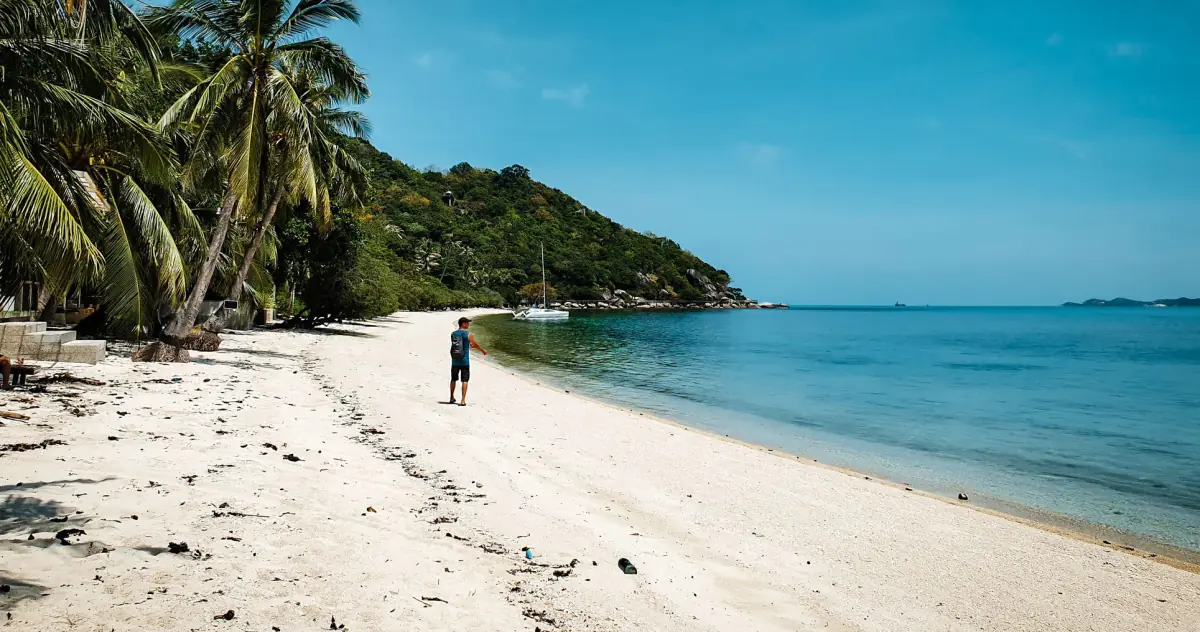
Koh Phangan has quietly shifted from a Full Moon Party pit-stop to a real long-term base for telecommuters, retirees and yoga teachers. You see that shift in prices right across the island. Rent, food and scooter rentals have all been rising steadily for several years.
The numbers people quote online are often outdated, or based on a single lucky find rather than a typical rental. The cost of living in Koh Phangan depends far more on where you rent and how you eat than on anything the island's reputation would tell you.
This guide breaks the real cost of living Koh Phangan into the categories that actually make up your monthly total: housing, food, transport, health and the lifestyle extras. Each section is grouped by the choices with the biggest impact on your budget. We start with rent, then work down to the smaller line items people forget when planning.
Housing: What Rent Actually Costs
Housing is the single biggest factor in any Koh Phangan cost of living budget. It swings harder by neighbourhood, building age and lease length than any other category on this list.
Budget Rooms & Guesthouses
The cheapest way onto the island, and still a genuinely comfortable option for short stays. A basic fan room in a guesthouse with a shared bathroom starts at about 4,000 THB a month, roughly $115. The same room with a private bathroom costs about 6,000 THB, approximately $170.
- Best areas: Thong Sala, Baan Tai and inland Srithanu, all a short scooter ride from the beach.
- What you sacrifice: air conditioning, kitchen access and often decent wifi in the room.
- Who it suits: short stays, small budgets, or anyone who spends most daylight hours outside the room.
- Negotiating angle: a weekly rate is rarely better than a monthly one. Always ask for the monthly price first.
- Where to look: rooms are often listed in local Facebook groups before they appear on the larger booking sites.
Mid-Range Studios & Apartments
This is the happy medium for most long-term residents, where comfort meets cost without tipping into luxury. A basic studio with A/C and a private bathroom runs 8,000 to 15,000 THB a month. A one-bedroom with a proper kitchen and access to a shared pool runs 12,000 to 25,000 THB. The exact price depends heavily on the building's age, its distance from the beach and how recently it was renovated. This is the tier where most digital nomads and long-term residents settle after a few weeks of island scouting.
- Sweet spot: a fan-and-AC combo studio in Srithanu or Baan Tai, close to the cafes and coworking spots.
- Lease length: three-month minimums are standard. Sign for six or twelve months and you will usually get a real discount.
- Watch for: deposit terms. Some landlords ask for two months' rent instead of the standard one.
- Best time to sign: off-peak, roughly June through October, when landlords negotiate much more freely.
- Common add-on: many buildings charge a separate cleaning or maintenance fee on top of the quoted rent.
- Kitchen access: worth checking upfront, because some "kitchenette" listings are little more than a mini fridge.
Villas & Premium Rentals
This tier delivers for anyone after a private pool, ocean views or a design-forward build, at a real jump in price. Beachfront villas and bungalows with reliable Wi-Fi usually start at 25,000 THB a month. Premium spots in Thong Nai Pan or Haad Yao can ask more than 60,000 to 80,000 THB in peak season. It is a small share of the overall market, but it sets the high end of the island's cost of living spectrum and shapes what "luxury" means here.
- Peak-season swing: expect a 20 to 40% premium between December and February compared with the quieter months.
- What justifies the price: a private pool, beachfront access, or a fully staffed property with cleaning included.
- Nightly alternative: guesthouses cost $10 to $20 a night, mid-range hotels $30 to $60, luxury resorts $100 or more.
- Cash discount: paying several months upfront in cash often unlocks better terms than booking through online platforms.
Food & Groceries: Local vs Western Prices
Food is where the cost of living on Koh Phangan splits most sharply into two completely different lifestyles. Eating like a local costs a fraction of a Western-style diet on the same island, and that gap adds up fast across a month.
Street Food & Local Restaurants
Eating like a local is still the best value anywhere in Thailand, island pricing included. A plate of pad thai or fried rice from a street stall costs 50 to 80 THB, about $1.50 to $2.30. A full sit-down meal at a local restaurant normally runs 80 to 150 THB a person, still well under $5.
- Daily total: three local meals a day comfortably come in under 300 THB if you avoid the tourist strips.
- Best value areas: Thong Sala's fresh market and the smaller sois off the main road.
- Trade-off: fewer vegetarian and gluten-free options than at the island's Western-facing cafes.
- Local tip: ordering in Thai, even a few basic phrases, sometimes gets you a small discount.
Western Cafes & Restaurants
The island's wellness boom has produced a wave of cafes in Srithanu and Haad Yao catering to a very different budget bracket. A smoothie bowl, avocado toast or specialty coffee at a trendy cafe runs 150 to 350 THB. A casual Western dinner with a drink at a mid-range restaurant will set you back 300 to 600 THB a person.
- Coffee baseline: a regular cup costs around $2.30 at most cafes on the island.
- Where prices spike: Haad Rin during Full Moon season, when tourist numbers push menu prices up considerably.
- Smart mix: pair local meals with the occasional Western treat to keep the monthly food bill manageable.
- Budget swing: someone eating mostly Western food can easily spend three times what a local-food eater does.
Grocery Shopping
Local markets and Thai-brand products in convenience stores are cheap wherever you shop on the island. Imported goods, cheese, wine and specialty items get marked up hard on shipping costs. Someone who cooks most meals at home usually spends 4,000 to 8,000 THB a month on groceries.
- Cheapest staples: rice, local produce, eggs and Thai condiments, all priced close to mainland Thailand.
- Most expensive imports: European cheese, wine and specialty packaged foods that are gluten-free or vegan.
- Rule of thumb: if you rely heavily on imported groceries, your food bill can double.
- Best value stores: fresh markets and Thai-owned minimarts, not the tourist-facing supermarkets near the beach.
Getting Around: Transport Costs
Transport is a necessity here, and it moves your overall cost of living Koh Phangan more than most people expect going in. Deciding early saves real money over a stay of several months.
Scooter Rental & Ownership
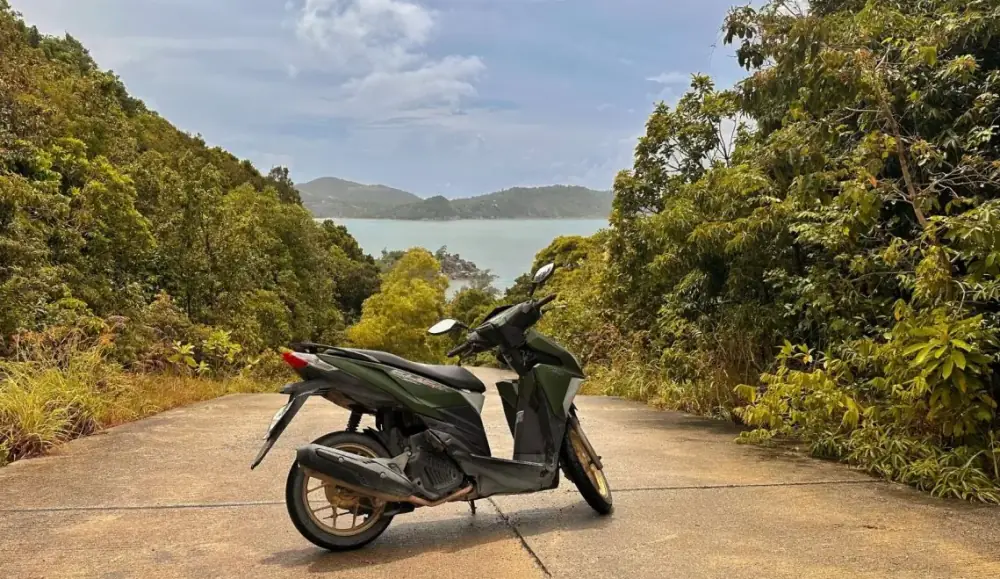
There is no reliable public transport on the island, so a scooter belongs in any honest Koh Phangan cost of living estimate. Ride-hailing apps have never really taken off here either. Rentals run about 250 THB a day for short stays, but monthly rates drop to 2,500 to 3,500 THB. Fuel costs roughly 100 to 150 THB a week for normal daily riding.
- For longer stays: buying a used scooter outright and reselling it before you leave works out better.
- Used scooter pricing: 15,000 to 30,000 THB, depending on the model's age and condition.
- Resale value: holds up reasonably well, with steady demand from new arrivals every month.
- Insurance note: basic third-party scooter insurance is cheap and worth adding no matter how long the rental.
Taxis & Songthaews
Songthaews are shared pick-up trucks that fill the gaps a scooter cannot, but they come at a real premium. A single ride from the pier to a nearby town costs 100 to 200 THB a person each way. Normal taxis start around 50 THB and run about 37 THB per kilometre around the island.
- Best use case: occasional trips or airport transfers, not a daily commute.
- Why scooters win long term: the maths favours ownership after the first month of daily use.
- Road safety note: helmets are cheap to buy and genuinely worth wearing, because island roads carry real risk.
Utilities, Health & Insurance
These categories rarely make anyone's pre-arrival shortlist, but they quietly shape the real cost of living Koh Phangan across a full year. Skipping them at the planning stage is the most common budgeting mistake newcomers make.
Electricity & Internet
Air conditioning is by far the biggest swing factor in any monthly utility bill on the island. A studio running AC for six to eight hours a night costs 1,500 to 3,000 THB a month. In a larger villa, running it all day can easily push that above 5,000 THB.
- Water: relatively minor, usually only a few hundred baht on top.
- Home fibre internet: 600 to 1,000 THB a month, with speeds varying widely by location.
- Mobile data: cheap and reliable, generally a few hundred baht for a generous monthly allowance.
- Housing tip: test the internet speed at the property before signing, because not every listing is accurate.
- Seasonal spike: electricity bills peak from March through May, the hottest part of the year.
A local Thai SIM is the cheapest option once you are settled. The gap it does not cover is the first day: landing, finding the pier and reaching your accommodation before any shop has sold you anything. A travel eSIM activates before you leave the plane and costs a few dollars for that stretch.
Health & Insurance
Health coverage is a small line item most months, but it belongs in any real cost of living Koh Phangan plan. The island's own medical infrastructure handles routine problems well and anything more serious poorly. For most day-to-day expat needs there is Bangkok Hospital Koh Samui and several private clinics on Phangan. A basic doctor's visit at a local clinic costs 500 to 1,500 THB depending on the clinic. Our health insurance comparison goes through the providers in detail.
- For serious issues: a ferry to Koh Samui or a flight to Bangkok is often the better option.
- Insurance range: $30 a month for basic catastrophic coverage, up to $150 for full plans.
- What to check first: whether a policy resets or lapses after a set number of consecutive days outside your home country.
- Why it matters: a medical evacuation and hospital stay in Bangkok can cost many times more than a year of premiums.
- Pharmacy access: basic medication is cheap and available over the counter in most cases.
Genki is the one we use: two plans rather than a maze of tiers, and it does not lapse because you have been outside your home country too long.
Lifestyle & Extras
The categories below are optional, but they are a real part of why most people move to Koh Phangan in the first place. They also produce some of the biggest swings between a lean budget and a generous one.
Nightlife & Entertainment
Nightlife is one of the more flexible parts of a cost of living Koh Phangan budget, because it scales entirely with personal choice. The island's worldwide reputation was built on the Full Moon Party, and nightlife is still a major expense for many visitors. A beer at a local bar generally runs 60 to 100 THB, while cocktails at beach bars run 150 to 300 THB. Large party events are often free to enter, but drink prices climb on peak nights.
- Biggest spend risk: repeated nights out at tourist-facing beach bars near Haad Rin.
- Cheaper alternative: local bars slightly inland, where prices stay closer to the everyday Thai rate.
- Party season cost: budgeting an extra 2,000 to 4,000 THB a month is realistic for anyone attending events regularly.
Coworking, Fitness & Yoga
Wellness is one of the island's biggest attractions, and prices reflect the steady demand from long-stay visitors. A drop-in class usually costs 300 to 500 THB, while a monthly unlimited pass runs 3,000 to 6,000 THB. Muay Thai gym memberships are similarly priced at 3,000 to 5,000 THB a month.
- Regular gyms: cheaper than specialised training, often just 1,500 to 2,500 THB a month.
- Coworking: day passes cost 200 to 350 THB, monthly memberships 2,500 to 5,000 THB.
- Free alternative: cafes with solid Wi-Fi, though one purchase per visit is generally expected.
- Community bonus: many studios and coworking spaces double as social hubs where you meet other long-term residents.
Seasonal Swings: When Prices Rise And Fall
Timing your move affects the cost of living Koh Phangan more than most first-time visitors realise. Peak season runs roughly December through February and brings the largest crowds. In that window rental prices sit 20 to 40% higher than in the quieter months. Scooter and restaurant prices creep up too, though nowhere near as sharply as housing.
- Low-season value: June through October means the quietest island and the most negotiable rent.
- Shoulder season balance: March, April, May and November often offer manageable weather at reasonable prices.
- Booking lead time: high-season housing goes quickly, so scout listings a month or two ahead.
- Full Moon spikes: food and drink prices around Haad Rin jump sharply around each Full Moon Party date.
Sample Monthly Budgets
The cost of living on Koh Phangan varies with your lifestyle, so here are three realistic scenarios.
- Frugal backpacker, around $550 a month: basic guesthouse, street food for most meals, scooter rental, little nightlife.
- Mid-range digital nomad, around $1,100 a month: private studio, a mix of local and Western meals, scooter ownership, occasional yoga classes.
- Comfortable expat or couple, around $2,200 a month: nicer apartment or small villa, eating out often, full health insurance, regular fitness memberships.
For a look at the middle of that range from someone actually living it, this breakdown from Joose the Nomad puts a month on the island at around $1,500, between our nomad and expat tiers.
Two people can live on the same island with monthly totals that differ by a factor of four or more. Housing choices, eating habits and how often you go out at night drive almost all of that gap. For comparison, our Bali cost breakdown covers the same categories for a bigger, busier island.
Digital Nomad Notes
Anyone weighing the cost of living Koh Phangan for work reasons has slightly different priorities. Good internet and proximity to decent cafes usually matter more than beach access. Srithanu and Thong Sala are the closest thing the island has to a nomad hub. Long-stay visa fees, insurance requirements and the occasional visa run all add to the real cost per year, and accounting for that administrative side from the outset avoids an unpleasant surprise a few months into a longer stay.
Quick-Reference: Cost of Living Koh Phangan At A Glance
| # | Category | Typical monthly cost (THB) | Approx. USD |
|---|---|---|---|
| 1 | Budget guesthouse room | 4,000–6,000 | $115–$170 |
| 2 | Mid-range studio apartment | 8,000–15,000 | $230–$430 |
| 3 | Villa or premium rental | 25,000–60,000+ | $715–$1,715+ |
| 4 | Local food, 3 meals a day | ~9,000 | ~$260 |
| 5 | Western food, mixed with local | 12,000–20,000 | $345–$570 |
| 6 | Scooter rental | 2,500–3,500 | $70–$100 |
| 7 | Electricity & internet | 2,000–4,000 | $57–$115 |
| 8 | Health insurance | ~1,000–5,000 | $30–$150 |
| 9 | Yoga or gym membership | 1,500–6,000 | $43–$170 |
Common Mistakes That Inflate Your Budget
Most people who blow through their planned cost of living Koh Phangan budget make one of a few predictable mistakes. Bank transfer fees and poor exchange rates quietly drain money every time you move it across borders. First-time renters routinely underestimate electricity costs during the hot months. Skipping travel insurance to save a small monthly fee is the riskiest shortcut on the whole list. All of them are easy to avoid if you plan for them in advance.
Budgeting Tips: What To Look For
- Prioritise location over size when renting. A smaller place in Srithanu or Baan Tai usually beats a larger one near Haad Rin.
- Negotiate on lease length, not just the monthly rate. Better pricing almost always requires a three to six month commitment.
- Time your arrival around low season. Rent and food prices both fall considerably from June through October.
- Buy a scooter for stays longer than three months. Past that break-even point, owning is cheaper than renting.
- Separate your local and Western food spending. Tracking the two separately makes it obvious where the money is going.
- Do not skip health insurance to save money. A single stay in a Bangkok hospital can cost more than years of premiums.
- Build a 15 to 20% buffer into your baseline budget. Seasonal electricity spikes and scooter repairs add up fast.
Frequently Asked Questions
Is Koh Phangan expensive compared to the rest of Thailand?
No. The cost of living in Koh Phangan is higher than in rural mainland towns but stays substantially below Bangkok or Phuket across most categories. The island's premium shows up most clearly in housing and imported groceries.
How much money do I need per month to live on Koh Phangan?
It comes down to lifestyle. A budget traveller can get by on roughly $550 a month, while anyone after Western comforts should budget $1,500 to $2,500 or more. Most digital nomads land in the $1,000 to $1,500 range.
What is the cheapest way to live on Koh Phangan long-term?
Rent in Baan Tai, Srithanu or inland Thong Sala rather than beachfront tourist areas like Haad Rin. Eat most meals at home using local markets, buy a used scooter instead of renting monthly, and sign longer leases during low season.
Do I need health insurance to live in Koh Phangan?
Yes, and skipping it is a genuine financial risk rather than a minor convenience trade-off. Routine care is handled on the island, but serious problems usually mean an expensive trip to Koh Samui or Bangkok.
Is it cheaper to rent or buy a scooter on Koh Phangan?
For a short stay of a couple of months or less, renting makes sense at 2,500 to 3,500 THB a month. For longer stays it is usually cheaper to buy a used scooter for 15,000 to 30,000 THB and sell it again when you leave.
Conclusion
The real cost of living Koh Phangan is far more about your choices than any single average figure you find online. Housing swings hardest, with location and lease length driving the biggest differences in your monthly total. Food, transport and lifestyle spending follow directly from how much you depend on Western comforts. A frugal traveller can live comfortably here on around $500 a month without much sacrifice.
If you want Western-style comfort, plan realistically on $1,500 to $2,500 or more. Seasonal timing, smart neighbourhood selection and a willingness to negotiate all move the final numbers around considerably. Whether you are here for two weeks or two years, Koh Phangan bends to fit a wide range of budgets. Start with the figures above, then adjust them to your own real habits and priorities.