Cheapest and Safest Places to Live in the World (2026 Guide)
Looking for the cheapest and safest places to live in the world? Discover the top 7 budget-friendly, highly secure global havens for digital nomads and remote workers right now.
The reality is that it's most often a compromise: you either find a location that's really cheap but maybe a bit shady, or you find a location that is really nice and safe, but by week two you are completely out of cash.
Well, you don't necessarily have to sacrifice. With a little bit of research, you can easily find a few sweet spots around the world that are far cheaper than your home country, and where you can still comfortably walk home alone at midnight.
So, let's get beyond the tourist brochures and consider the actual, real-world facts, monthly budgets, and day-to-day safety ratings for the top seven absolute cheapest and safest places to live in the world now.
What Makes a Country Both Cheap and Safe?
Many articles only talk about cost of living. Others rely solely on the safety ratings. Both are incomplete, and both are misleading. In this guide, we have considered countries that do well in both areas.
Safety was measured by a number of indicators including crime rates, political stability, and peace rankings. Affordability was assessed using housing costs, food prices, transportation costs, health care costs, and costs of everyday living.
Southeast Asian countries, as well as Eastern European and some Latin American countries, still offer some of the best combinations of affordability to safety today.
The outcome is a listing of locations where it is possible for people to live well without spending a lot of money.
1. Vietnam: The Best Value on the Planet Right Now

Vietnam is a country that should be given a better image. Most people still consider it as a backpacker destination. Nonetheless, it has quietly become one of the most comfortable nations in Asia, for digital nomads, retirees, and long-term expats.
Cost of Living in Vietnam
One-bedroom apartments in the center of large cities such as Ho Chi Minh City and Hanoi cost between $300 and $500/month, but Da Nang and Hoi An are even cheaper. A meal at the street food costs 1-2 dollars and a seated restaurant meal costs 3-5 dollars. The average Internet speed is 70-90 Mbps, which is extremely convenient among remote workers.
Just think about that. You can get a nice apartment, go out to dinner every day, pay for transportation and utilities, and still stay under $1,000 per month. That is no ballpark figure. It is a good life indeed.
Is Vietnam Safe for Expats?
Vietnam is highly secure; it boasts one of the lowest levels of violent crime in the area. Again, petty theft exists, just like in every city in the world, but the foreigners are not regularly robbed or mugged. Females and other solo travelers commonly say that they feel safe on the streets at night.
Visa Options for Long-Term Stays
Vietnam is in fact taking the issue of attracting long term visitors seriously as far as visas are concerned. The primary visa options are a 90-day e-visa (renewable), a business visa with a local sponsor or the new digital nomad visa that was launched in late 2025 and provides 12 months of legal residency.
Da Nang is the best place to reside on a low budget: beach, accessible internet and an expat community for under $800/month.
Beware of: Health Care. Although the healthcare system continues to be reformed, most expats still must personally cover the expenses of medical services, and even the state hospitals might not be equipped properly. Consider personal health insurance, it is an investment worth making.
2. Georgia (the Country, Not the State): Europe's Best-Kept Secret
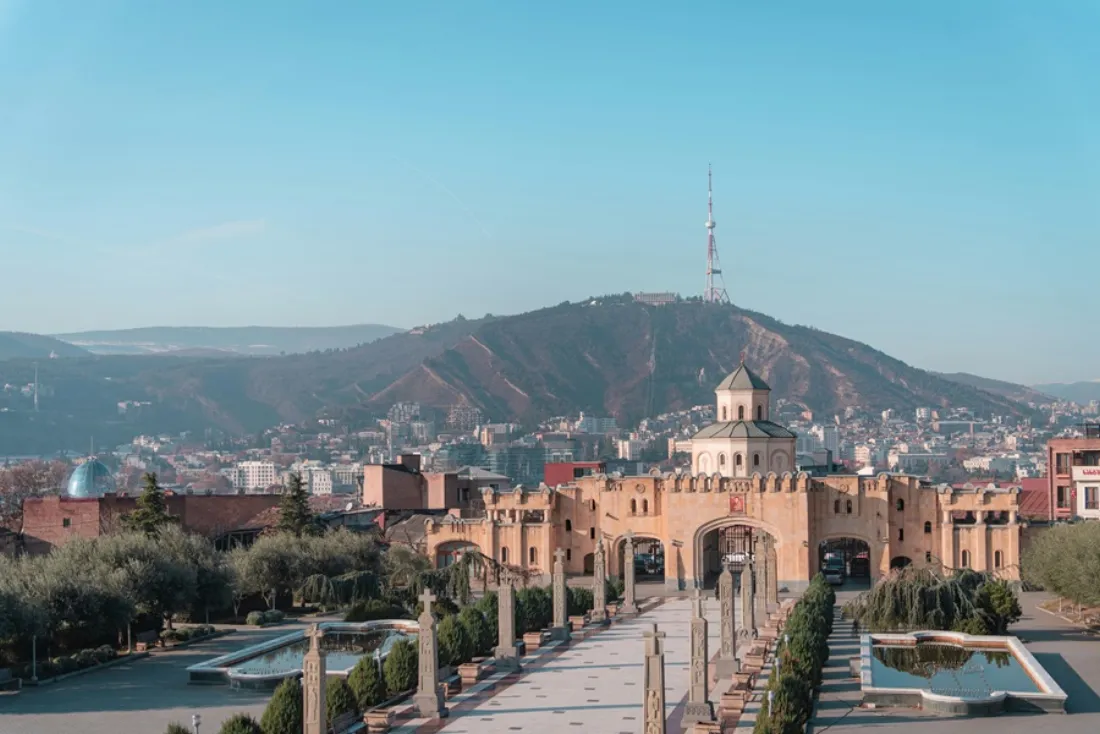
Tbilisi is not yet known to many as a nomad hub, but soon it will be. Georgia, a small nation that lies between Europe and Asia, is a country that is silently making headway as the hottest budget remote-work destination.
Cost of Living in Tbilisi
Americans can stay in Georgia for up to one year without a visa, and the cost of living is comparable to having a luxury fund for Western salaries. Apartments in the Old Town of Tbilisi offer co-working spaces in converted wine cellars for $80-$120 per month, and modern apartments with high-speed Internet range from $200-$400 per month based on neighborhood and amenities.
The numbers are all real. Georgian capital offers 365 days of visa-free entry to 95+ nationalities, 1% tax to freelancers, fast internet and affordable cost of living allowing a person to live comfortably on a half of what you would pay in Western Europe.
Tax Perks for Freelancers
The 1 percent flat tax rate is indeed life changing for the freelancers. You sign in as an Individual Entrepreneur, fill out the paperwork in a couple of days and you are legally allowed to charge clients in Georgia at a fraction of what you would have paid back home in taxes.
Internet and Infrastructure
Over the past few years, Tbilisi has significantly improved its internet infrastructure. Most of the neighborhoods in the city have fiber-optic connections. The broadband connection speed at home is 50Mbps to 100 Mbps, depending on your service provider and neighborhood.
Is Georgia Safe?
Georgia is a relatively safe community. It is a location where a solo traveller will feel very safe even during the night. Like in any city, there are places to avoid at night but violent crime against foreigners is not across-the-board.
Monthly budget: A one-bedroom apartment in good neighbourhoods like Vera, Vake or Saburtalo costs an average of $500 -650/month and when you factor in food, transportation and coworking, most nomads spend an average of $900 -1500/month.
Be careful: There might be a slight rise in price compared to 2022, when the price of central neighborhoods shot up as a flood of remote-working employees started moving in. Look slightly out of the tourist district in order to get a reduced fare.
3. Portugal: Safe, European, and Cheaper Than You Think
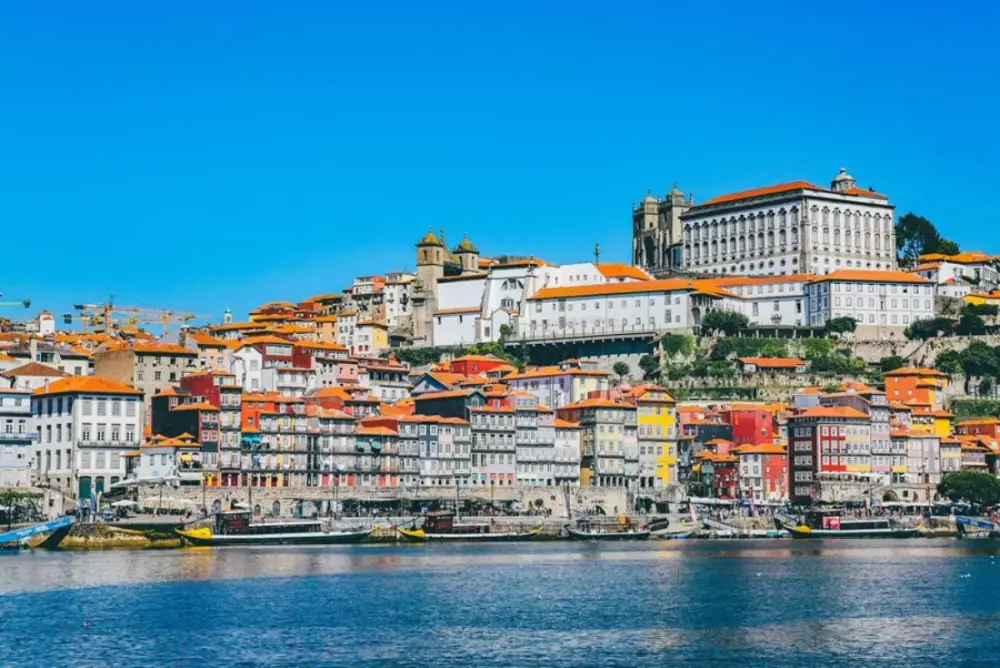
Portugal is ranked number 7 on the 2025 Global Peace Index. Officialy, the International Living index of the Safest Places to Retire in 2026 has listed Portugal first in the list of the safest countries in the world based on the fact that it has a low rate of crime, a stable society and a reputation of being generous.
What most people do not understand however is that Portugal is not solely a home of the retirees but it is not as costly as most people believe particularly when someone does not live in Lisbon.
What is the Cost of Living in Portugal?
Porto, the second Portuguese city, has a budget of about $1,800/month for digital nomads, which is about $1000 less than in Lisbon. It is smaller, more pedestrian, and is recognized by its riverside charm, port wine houses and its friendly inhabitants. Even here, the rate of crime is still less as compared to Lisbon.
Porto is too expensive also? Smaller cities such as Braga, Setubal or the Alentejo region can be considered. The living standards are affordable because living there is as cheap as $1,200-1,400 a month.
Healthcare and Quality of Life
Portugal is hard to beat when you want to stay in the EU, desire to work with European time zones and live in a country where you have real infrastructure and a working health care system. Health care is provided to residents through the public SNS, priced at about $41 per doctor visit.
Visa Options for Remote Workers
The visa hurdle for remote workers has also been eased. Today, Portugal has one of the most transparent and accessible Digital Nomad Visas in Europe. The D7 passive income visa mandates around $850/month in passive income, which isn't a steep requirement for the majority of people working remotely.
Best city to live on a budget: Braga; university city energy, good food and real affordable by European standards.
Be aware of: Lisbon is no longer a cheap city. Don't use 2019 data to plan your Portugal budget.
4. Thailand: Still Delivering After All These Years
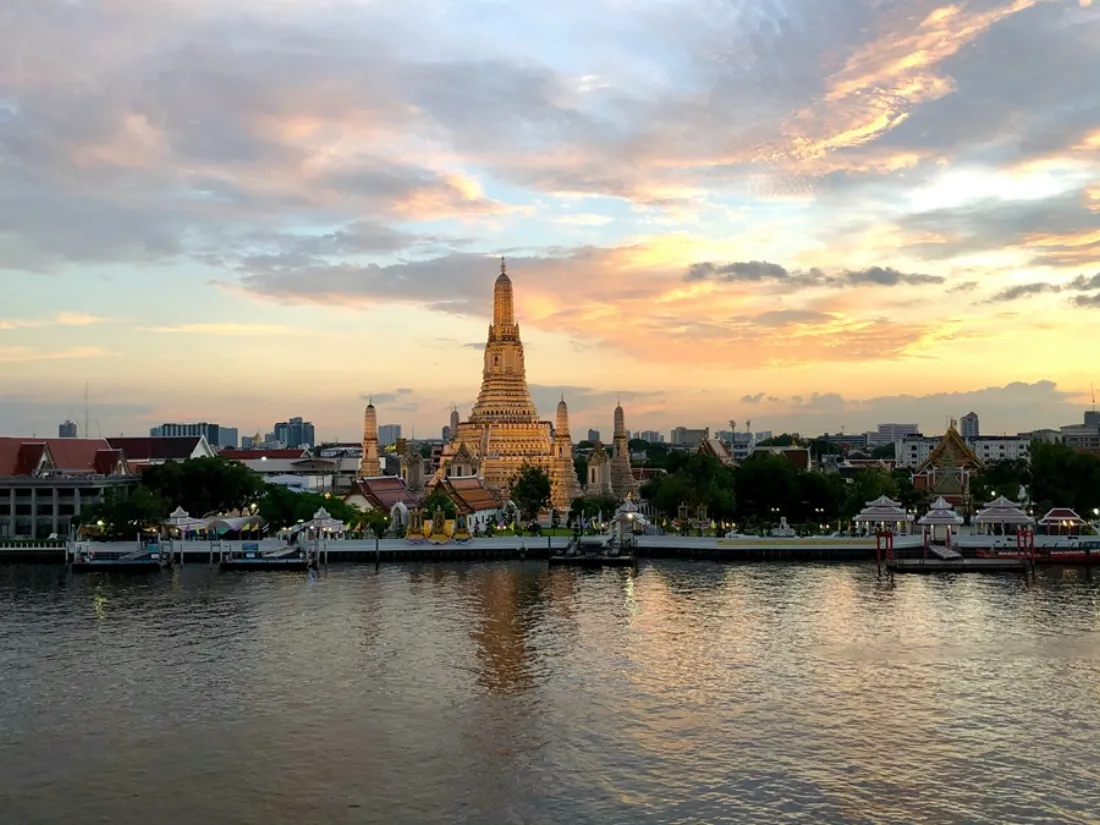
Thailand has long been a place on the expat list, and it still remains high in demand! The cost of living just outside a major city is about $2,000 per month which includes rent, utilities, food, entertainment and medical expenses.
Monthly Cost of Living in Thailand
It's the mid-range though. The numbers are significantly lower as you head north towards Chiang Mai. Retirees can live comfortably on as little as $1700 a month in Chiang Mai, while any digital nomad who is on a more budget-friendly lifestyle can live on $1200 without feeling they are skimping.
For the Digital Nomad, Thailand, Vietnam and Indonesia offer good and inexpensive places to live. Depending on the city and lifestyle, it is not hard to live on $800-$1,500/month in these countries. Accommodation, food and coworking spaces are generally inexpensive.
Accommodation: What Your Money Actually Gets You
As for accommodation, the offers are genuine. A fully furnished one bedroom condo with a pool, gym, and a 24-hour doorman is less than $600 per month. Two bedroom is about $750. To put that into perspective, a comparable system in Sydney or Toronto would cost you 4 to 5 times as much.
Safety in Thailand
Generally, Thailand is a reasonably safe country for tourists and long-term foreigners. The primary danger is road safety (traffic can be heavy), although violent crime against foreign visitors is rare and the culture is noted for being very friendly.
Visa Routes for Long-Term Stays
For individuals with high earnings (more than $80,000 per annum), the digital nomad visa in Thailand, which was rolled out in recent years under the Long-Term Resident (LTR) scheme, could be an option. For others, the 30-day tourist visa with border runs or tourist visa (90-day extendable) continue to be the most popular visa available for nomads.
Best city for budget living: Chiang Mai; cooler climate, a huge nomad community, hundreds of coffee shops with great WiFi.
Be aware of: Island resorts, such as Koh Samui or Phuket, may cost 40 – 50 % more than mainland destinations. Budget accordingly.
5. Colombia: Latin America's Surprise Package
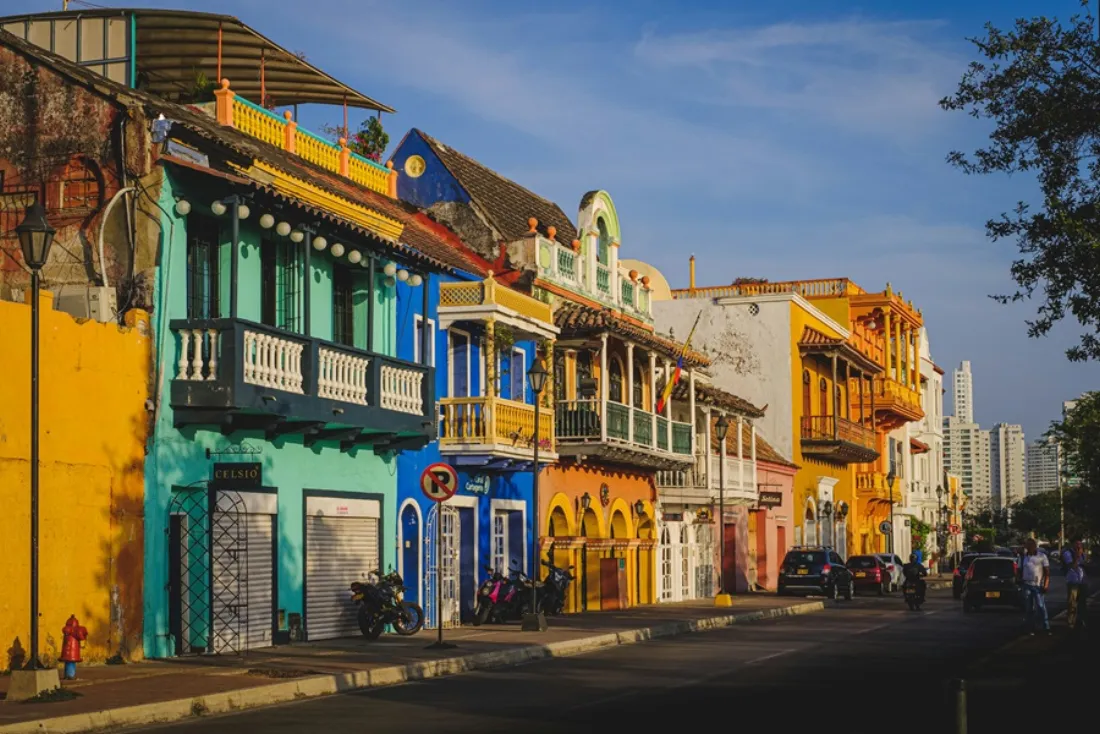
Over the last 10 years, Colombia's image has been rehabilitated seriously. From being one of the most dangerous cities in the world to being named the Most Innovative City in the World, Medellín has had a remarkable transformation. That's a pretty significant turnaround.
Cost of Living in Colombia
No matter how you choose to determine the most affordable, Colombia makes the cut on almost every list.
Medellín stands out as the highlight. Weather is spring-like throughout the year (1,500 metres above sea level), food is great, and living in Colombia is still a very affordable option. One bedroom apartment in a good neighbourhood costs $400-$600 per month. The price of meal in a good restaurant is $5-10. The cost of a monthly metro pass is less than $15.
The living expenses in Colombia vary from $800 to $1,500 per month, depending on the region and lifestyle.
Digital Nomad Visa for Colombia
Colombia is one of the few countries in Latin America to have a digital nomad visa program, the Digital Nomad Visa (DNV), which allows for up to 2 years of stay with proof of remote income. This is certainly helpful as opposed to endless visa runs.
Is Colombia Safe for Expats?
On the safety side, Colombia has become a lot safer, but it's not Portugal. The same common sense rules apply as everywhere: be aware at night, don't flash the expensive gear and do your research on neighbourhoods before renting. If you stay in places such as El Poblado, Laureles or Envigado, in Medellin, you will probably feel very comfortable.
Best city for budget staying: Medellín; you can't find a better value for money than this city anywhere in South America when it comes to the infrastructure, food, and social life.
Be aware of: Colombia is the least peaceful country in South America according to the Global Peace Index at a regional level, so make sure to carefully select your city and neighbourhood.
6. Malaysia: Affordable, Modern, and Massively Underrated
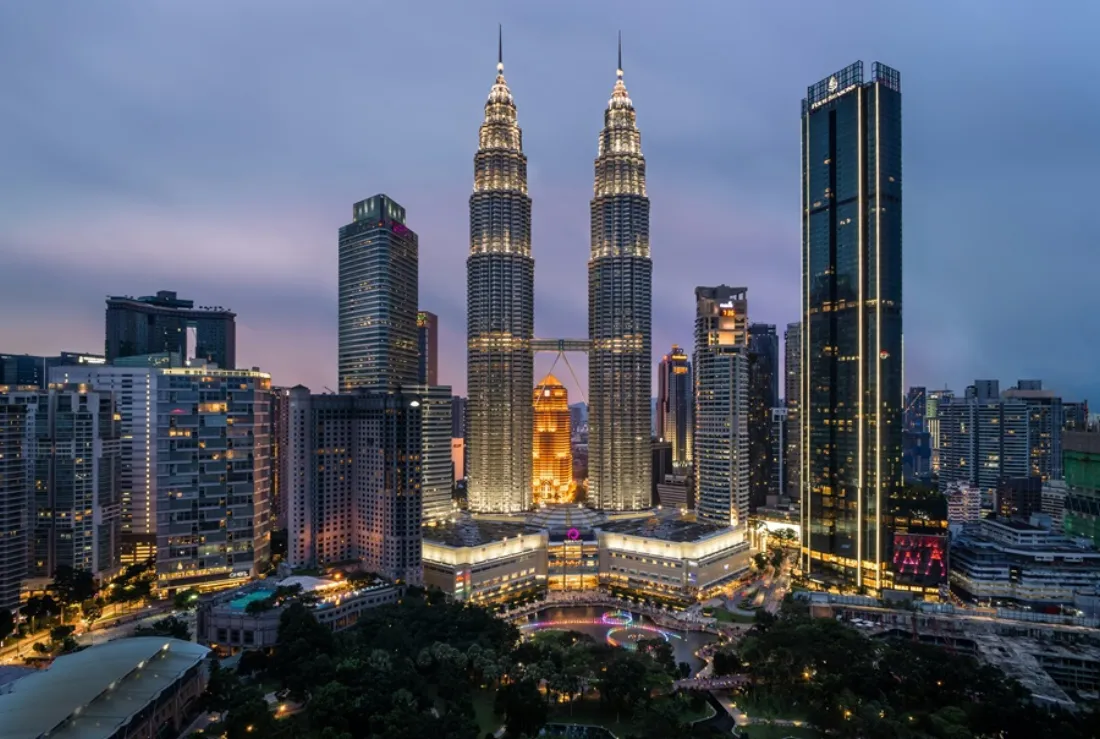
Malaysia occupies a sweet spot, which most people do not realize. It has the cost of southeast Asia and the infrastructure of Europe. Think about reliable trains, excellent hospitals, super-fast internet, English widely spoken and a food culture ( let's not beat about the bush, it is world-class).
How Much Does Malaysia Actually Cost?
Tens of thousands of American expats make Penang, Malaysia, their home during retirement. In Penang, one retiree enjoys a comfortable lifestyle (massage and fine wine) on $2500 per month.
However, you don't have to spend two and a half thousand dollars. If you cut back and live more simply, or base yourself in Kuala Lumpur or Ipoh rather than Penang, then you can trim your monthly expenditure to $1200-$1500.
Food inflation has risen marginally, with a morning roti canai now costing RM2 instead of RM1.20, but rents have remained comparatively low, making Malaysia one of the few places in Southeast Asia where affordability hasn't dropped significantly.
Long-Term Visa Options in Malaysia
Malaysia also has one of the most developed expat schemes in Asia, the Malaysia My Second Home (MM2H) program which offers long term residency to those who meet certain financial criteria. The program has undergone a few changes, and the thresholds have been raised, but it is still available for the majority of remote workers who earn a stable income.
Safety and Day-to-Day Life
Safety is truly excellent. Malaysia is relatively safe on regional indices, petty crime is present in city centres, however serious violent crime amongst foreigners is uncommon.
Best city for budget living: Ipoh; slower pace, incredible food, dirt cheap rents and an ever increasing number of expats who have discovered that it is better than Penang and is half the price.
Be aware of: KL central can be more expensive than anticipated. The costs are reduced markedly if one resides 20 minutes from the urban centre.
7. Bulgaria: The Cheapest EU Country
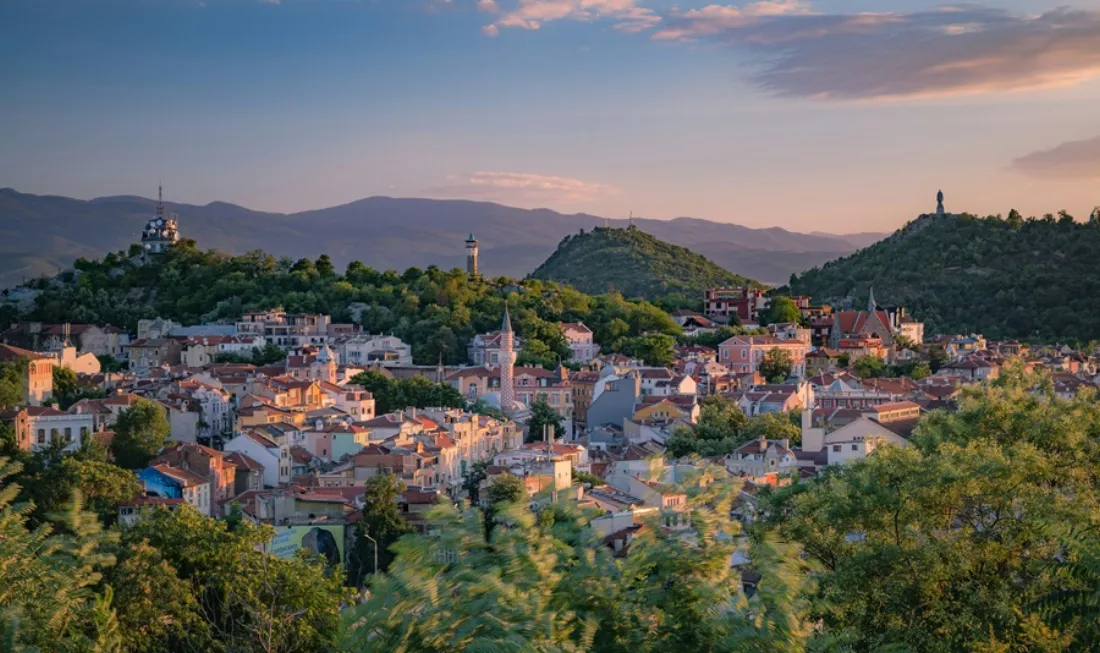
If you're interested in keeping a real budget in the European Union, Bulgaria is the answer. It is the least expensive in the EU, and it is not well-known just because it does not promote itself as Portugal or Spain does.
Living Costs in Bulgaria
Most of the Bulgarian cities have a nice apartment, which can be bought in less than 500 dollars per month, and a condo less than the credit limit of a premium credit card!
One must pay around 1000 to 1300 dollars per month for a decent one bedroom apartment, food, transmittion, entertainment etc. to live a comfortable life in Sofia.
How does life look in Sofia?
Despite being a small city, Sofia is home to a robust tech sector, high internet penetration and a lively nightlife. There is a good quantity and variety of inexpensive foods. There is a very low cost for transportation. In winter it's very cold, but at Bansko the skiing is very good and much cheaper than in the Alps.
Visa & Residency for Remote Workers
Bulgaria's digital nomad visa programme, which was introduced in late 2025, offers a legal pathway for remote workers to extend their stay, which differs from previous tourism visa regulations.
Best city to live on a budget: Sofia is a convenient city, Plovdiv is more relaxed, artsy and even cheaper.
Be aware of: Bulgaria joined the Schengen Zone in 2024, making it easier for EU citizens but slightly more complicated for those from the Americas, who will now have to keep an eye on the 90-day Schengen allowance.
Monthly Budget Estimates (Single person, comfortable lifestyle)
| Destination | Monthly Budget | Safety Level | Best For |
|---|---|---|---|
| Vietnam (Da Nang) | $700-$1,000 | High | Budget nomads, retirees |
| Georgia (Tbilisi) | $900-$1,300 | Moderate-High | Freelancers, tax efficiency |
| Portugal (Porto) | $1,500-$1,800 | Very High | EU-based workers, families |
| Thailand (Chiang Mai) | $1,000-$1,500 | Moderate-High | Nomads, retirees |
| Colombia (Medellín) | $900-$1,400 | Moderate | Americas-based workers |
| Malaysia (Ipoh/KL) | $1,000-$1,500 | High | Families, long-term expats |
| Bulgaria (Sofia) | $1,000-$1,300 | High | EU residency seekers |
Strategic Tips for Living Safely Abroad on a Budget
Regardless of how safe a city is on paper, it takes some time to settle into a brand new country. To have a great time, here are some super-practical, boots-on-the-ground tips:
Protect Your Digital Assets
Using public Wi-Fi networks in cafes abroad puts sensitive personal data at risk for potential security breaches. Use a trusted Virtual Private Network (VPN) to secure your Internet connection. Also, back up any important data to an external hard drive and an encrypted cloud storage service before departing the country.
If Possible, Rent On The Ground
It's easy to get excited about a six-month rental deal online, but you'll end up paying an astronomical price 99 percent of the time. Rather, reserve a cheap hotel or guesthouse for the first week. Take this time to walk the streets of the neighborhoods you are interested in, look at bulletin boards, observe expat groups on Facebook and view apartments in person. This will help you avoid online rental scams and be able to secure a much better price straight from the landowner.
Get Local Digital Nomad Insurance
Don't travel abroad without extensive health insurance and travel insurance. Your traditional medical plans won't cover you abroad, and a sudden accident with the scooter or an unexpected medical emergency can totally destroy your savings.
There are flexible medical insurance options like SafetyWing or World Nomads that are made specifically for remote workers, so you can subscribe on a month-to-month basis.
Get To Know The Local Language
While it's not necessary to be fluent to live happily in another country, knowing how to say "hello," "please," "thank you," "how much" and "help" in another language makes all the difference. People will immediately respect you for trying to fit in with their culture and you will immediately gain a lot of goodwill from locals, making your day-to-day life a lot safer and more rewarding.
Final Thoughts: The World is More Accessible Than You Think
The most difficult thing about living an international life is the first step! It's not about winning the lottery or earning a huge salary from a company to live in a beautiful, secure environment.
When you make a savvy move to one of the low-cost, high-safety areas, you can ease some of the financial burdens you feel, boost your overall lifestyle and concentrate on what matters most to you: your work and experiences. Choose a destination, set a budget, get your bags packed and see the world.
Explore our blog to find out more about life as a digital nomad.